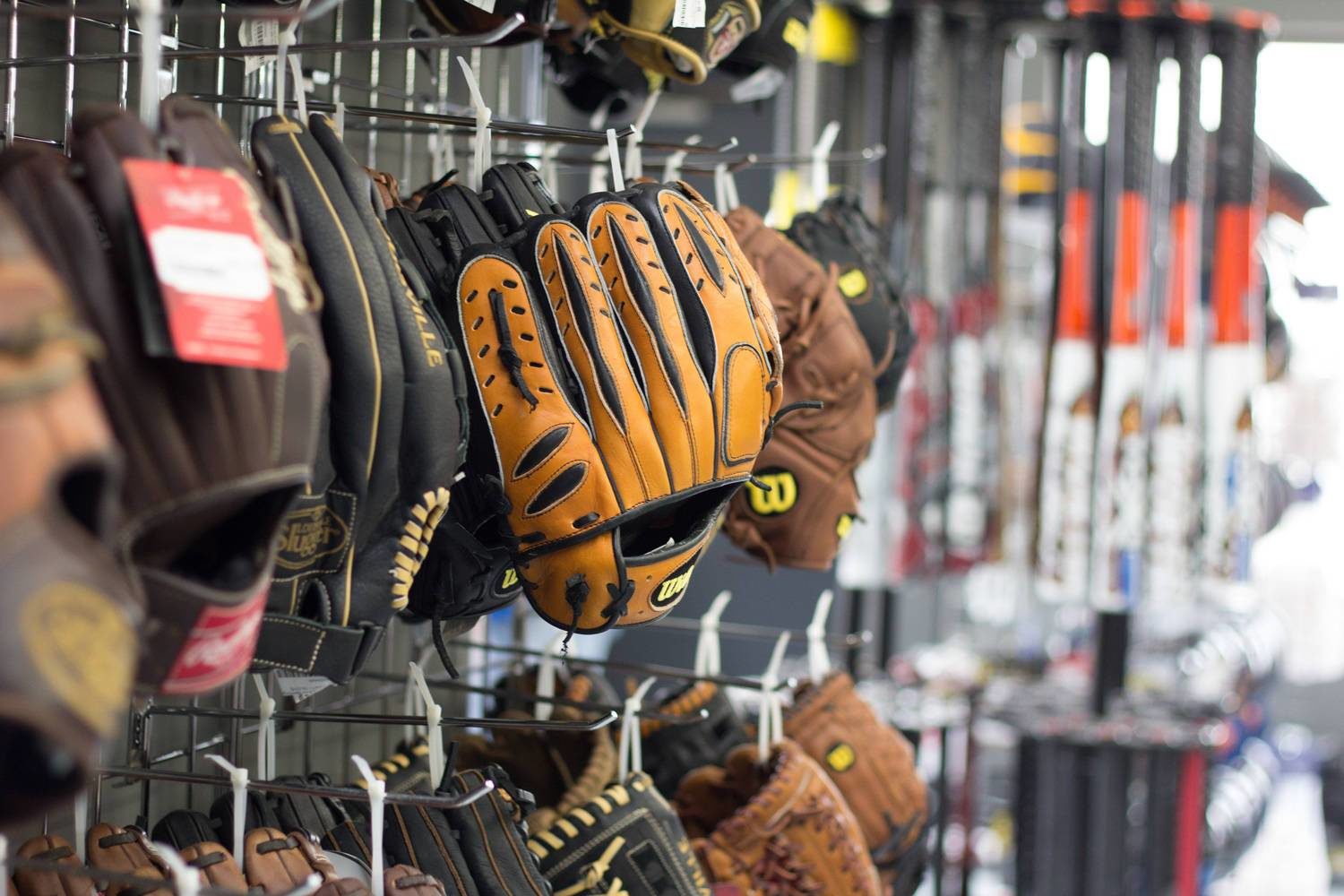
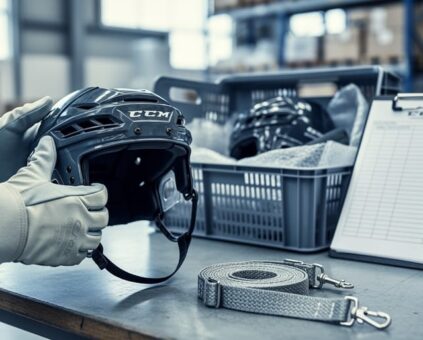
The global market for 2nd hand sporting equipment has matured into a sophisticated sector worth billions, driven by facility operators seeking cost-effective solutions and organizations prioritizing sustainability. Purchasing pre-owned equipment now represents a strategic procurement decision rather than a budget compromise, with quality refurbished items often performing comparably to new alternatives at 40-70% lower costs.
Facility managers and procurement professionals face a complex landscape when evaluating used sporting goods. The decision extends beyond simple price comparisons. You need to assess remaining product lifespan, warranty availability, safety certifications, and supplier reliability. International sourcing adds layers of complexity, from shipping logistics to varying quality standards across regions.
…