Basketball requires three categories of equipment: player gear (shoes, apparel, protective items), core playing equipment (balls, hoops, shot clocks), and facility infrastructure (courts, scoreboards, seating). Whether you’re an athlete stocking your gym bag or a facility manager planning a new installation, understanding these specifications ensures safe play and regulatory compliance across recreational and competitive settings.
The essential basketball equipment list has expanded beyond the traditional ball and hoop. Modern facilities in Canada now balance FIBA and NBA standards, particularly important for multi-use venues hosting international competitions alongside local leagues. …
Equipping a basketball facility or team requires 15 distinct categories of gear spanning infrastructure, game equipment, player apparel, and training tools. From regulation hoops and specialized flooring to uniforms, footwear, and performance aids, this comprehensive inventory addresses the needs of facility operators outfitting multi-court gymnasiums, municipal planners budgeting for community sports infrastructure, coaches preparing competitive teams, and individual players determining what they need to participate safely and effectively.
The scope of basketball equipment extends far beyond a ball and net. Facility-level infrastructure includes structural elements like hoops, backboards, flooring systems, shot clocks, and spectator seating that must meet specific safety standards and durability requirements. Player-level gear …
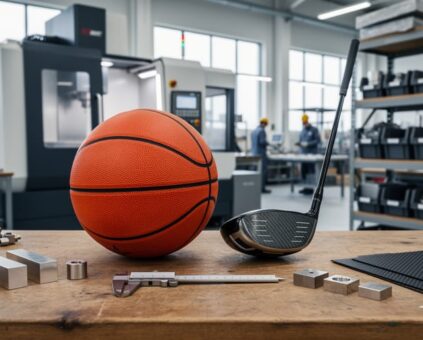
The United States houses more than 1,200 sporting goods manufacturers that collectively generate over $15 billion in annual revenue, offering facility operators and procurement professionals a deep bench of suppliers across virtually every sport category. American manufacturers dominate global markets in golf equipment, basketball gear, fitness systems, and specialized athletic products, combining advanced materials engineering with scalable production capabilities that few other countries can match.
For Canadian facility operators and international buyers evaluating American suppliers, the competitive advantage is clear. U.S. manufacturers benefit from proximity to major research institutions, access to …

Sustainable weight management for active individuals relies on evidence-based strategies that preserve muscle mass, support training performance, and create long-term behavioral change rather than short-term restriction. Athletes and facility operators increasingly recognize that effective weight management integrates nutrition timing, progressive strength training, and metabolic health monitoring alongside traditional calorie awareness.
The research landscape has shifted substantially away from calorie-restriction-only approaches. Current sports science emphasizes protein distribution throughout the day, resistance training to maintain lean tissue during any caloric deficit, and hydration protocols that support both performance and metabolic function. For Canadian sports facilities and their clients, this means weight …
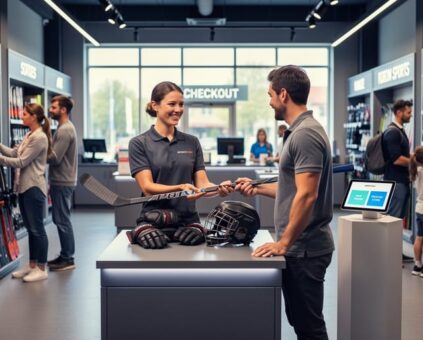
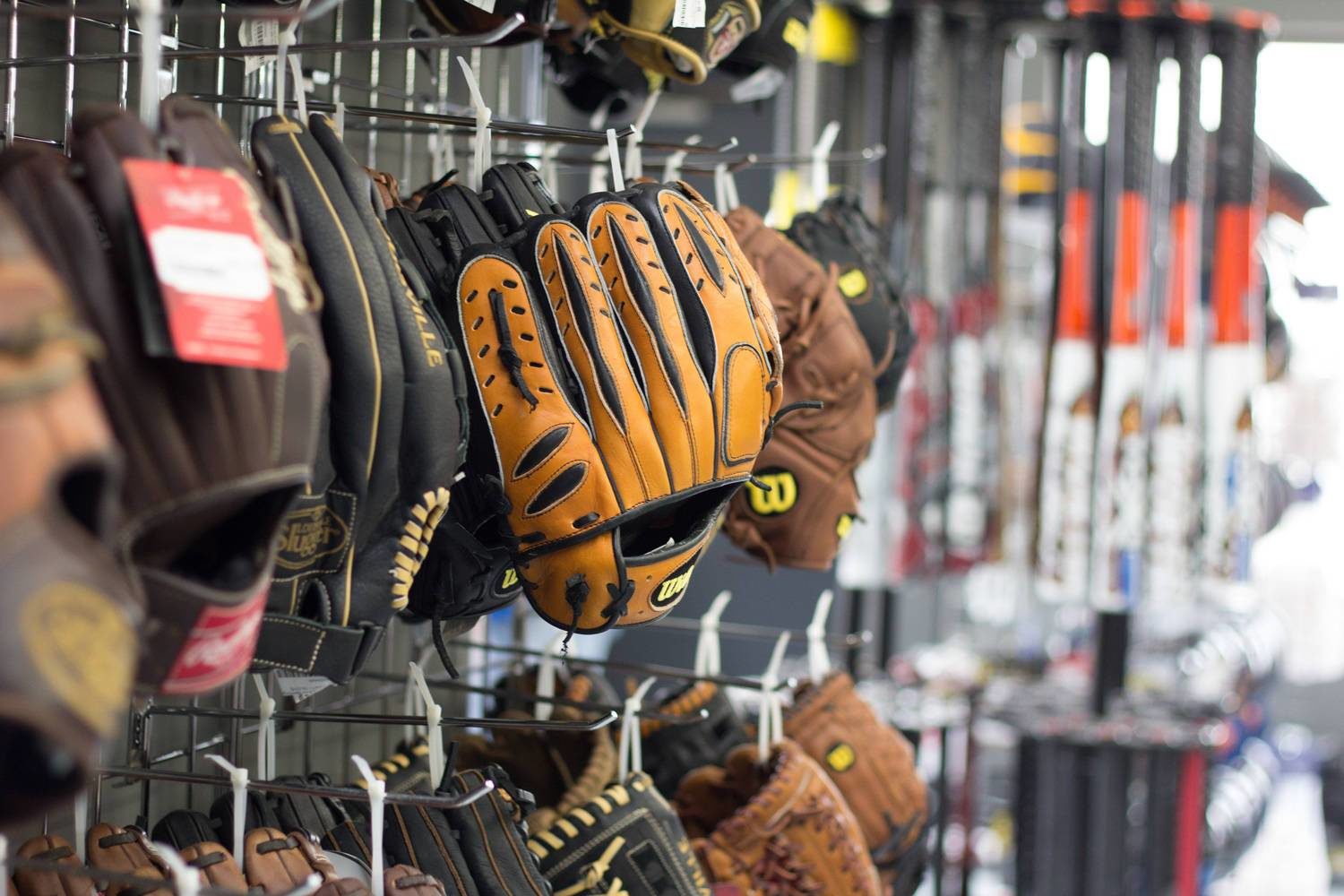
Sporting equipment stores serve as the critical retail connection between manufacturers and end users across the international sporting goods market, functioning simultaneously as distribution channels, community hubs, and specialized consultants for consumers ranging from elite athletes to recreational participants. These retail operations account for a significant portion of the estimated $600 billion global sporting goods industry, operating through physical storefronts, e-commerce platforms, and increasingly, hybrid models that blend both approaches.
The role of sporting equipment stores extends well beyond simple product sales. For facility operators and sports organizations, these retailers provide essential procurement partnerships, offering bulk purchasing arrangements, product expertise, and vendor-managed inventory …
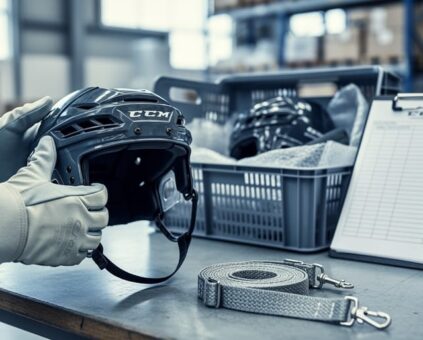
The global market for 2nd hand sporting equipment has matured into a sophisticated sector worth billions, driven by facility operators seeking cost-effective solutions and organizations prioritizing sustainability. Purchasing pre-owned equipment now represents a strategic procurement decision rather than a budget compromise, with quality refurbished items often performing comparably to new alternatives at 40-70% lower costs.
Facility managers and procurement professionals face a complex landscape when evaluating used sporting goods. The decision extends beyond simple price comparisons. You need to assess remaining product lifespan, warranty availability, safety certifications, and supplier reliability. International sourcing adds layers of complexity, from shipping logistics to varying quality standards across regions.
…